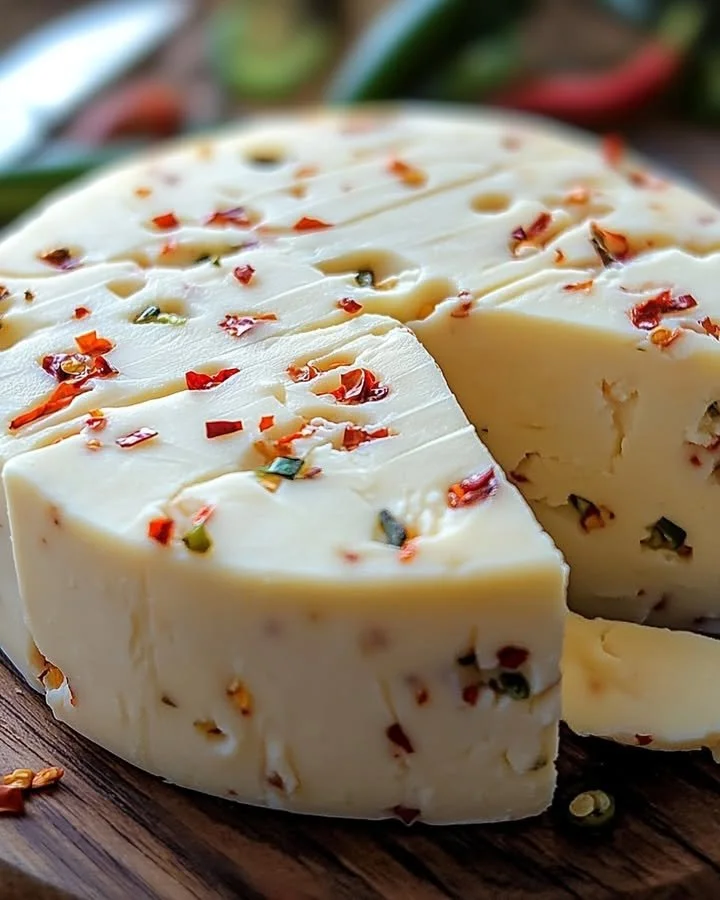
How to Make Pepper Jack Cheese at Home
The allure of freshly made Pepper Jack Cheese comes alive when you step into your kitchen, ready to embark on a culinary adventure. This step-by-step recipe takes you through the delicate process of transforming humble ingredients into a creamy, aromatic cheese that’s peppered with zesty jalapeños and aromatic spices. Imagine the inviting scent that wafts through your home as the rich milk heats, the subtle crunch of the pepper flakes dancing on your tongue, and the joy that washes over you as you create something truly special. Making homemade cheese may seem daunting, but with a little patience and dedication, you can craft this irresistible treat right in your own kitchen.
History / Fun Fact
The origins of Pepper Jack Cheese trace back to the sun-drenched pastures of California, where dairy farming flourished. This cheese is a spirited cousin of the traditional Monterey Jack, which was introduced by early Mexican settlers in the 19th century. Over the years, artisan cheesemakers began enhancing Monterey Jack with the inclusion of peppers, creating the spicy and delightful Pepper Jack we enjoy today. Its blend of heat and creaminess has captivated cheese lovers worldwide, making it a popular choice for everything from sandwiches to gourmet charcuterie boards. The unique fusion of cultures is a delicious reminder of how food brings people together, reflecting shared histories and culinary creativity.
Ingredients
- 1 gallon whole milk: Choose creamy, rich whole milk, preferably raw or pasteurized (but not ultra-pasteurized) to ensure the best texture and flavor.
- 1/4 tsp mesophilic starter culture: This bacterium imbues the cheese with a tangy richness, elevating its taste profile.
- 1/2 tsp liquid calcium chloride: Necessary if using pasteurized milk, this ingredient helps restore calcium lost during the pasteurization process.
- 1/2 tsp liquid rennet: Dilute in 1/4 cup of non-chlorinated water, this enzyme is the magical agent that curds your milk into cheese.
- 1 tsp non-iodized salt: Whether you opt for cheese salt or kosher salt, this essential ingredient enhances flavor without introducing any unwanted iodine.
- 2 tbsp diced jalapeños: Fresh or pickled, these jalapeños bring vibrant heat and flavor to your cheese, tantalizing your taste buds.
- 1 tbsp red pepper flakes: A sprinkle of these flakes adds an extra layer of spiciness and color.
- 1 tsp black pepper (optional): For those who crave depth, a touch of black pepper can create a delightful complexity in flavor.
Cooking Time & Tips For Pepper Jack Cheese
Creating Pepper Jack Cheese can be enjoyable and fulfilling with a combination of quick and slow preparation techniques. The initial stages are quick, involving heating the milk and adding your cultures and rennet, taking about an hour. The waiting, however, where the curds set and the cheese ages, is slow but entirely worthwhile, spanning several weeks.
For best results, always choose the freshest milk. Ensure your utensils and workspace are meticulously clean to avoid contamination. When handling curds, patience is key; allow them to develop at their own pace and handle them gently to preserve their texture.
Step-by-Step Directions
Heat the milk: Pour the whole milk into a large pot and gradually heat it over medium-low heat. Stir gently to prevent scorching, and aim for a temperature of 90°F (32°C). The aroma of warming milk can be comforting and inviting, signaling the start of your cheesemaking journey. After reaching the desired temperature, sprinkle the mesophilic starter culture over the surface and let it sit for 2 minutes. Stir gently to combine, ensuring the culture blends evenly throughout the milk.
Add calcium chloride and rennet: If you’re using pasteurized milk, carefully stir in the calcium chloride, ensuring it dissolves completely. Then, take your liquid rennet diluted in non-chlorinated water and add it to the pot. Stir gently for about 30 seconds to incorporate the rennet before covering the pot with a lid. Set aside for 45 minutes, allowing the milk to transform into a firm curd.
Cut the curd: Once set, you’ll notice the curd has formed a soft, wobbly texture. Using a knife or long spatula, carefully cut the curd into 1/2-inch cubes. Return the pot to low heat and stir gently while gradually increasing the temperature to 105°F (40°C). It’s a delicate balance; this step intensifies the creaminess of your Pepper Jack, and the curds will start to release their whey.
Drain the curds: Line a colander with cheesecloth and place it over a large bowl to catch the draining whey. Carefully ladle the curds into the colander, letting the liquid drain away. Sprinkle in the non-iodized salt, diced jalapeños, red pepper flakes, and black pepper (if using). Mix gently to ensure the seasonings are evenly distributed throughout the curds.
Mold and press: Transfer the curds to a cheese mold, pressing down firmly to shape the cheese. Place a weight of 8-10 lbs on top of the cheese to help expel any remaining whey, allowing the cheese to firm up. Leave the curds to press for 6-8 hours, flipping halfway through to ensure even distribution and pressure.
Aging your cheese: After pressing, the cheese needs to dry for 24 hours at room temperature. Once the outer surface has dried, wrap it in cheese paper or wax paper and store it in the refrigerator. Allow it to age for 2-4 weeks, turning the cheese every few days for an even flavor development. The anticipation of these weeks will pay off as the flavors mature and blend beautifully.
Serving Suggestions & Occasions
Pepper Jack Cheese is incredibly versatile, elevating everything from casual family dinners to sophisticated gatherings. Cut it into cubes and serve alongside crackers or fresh fruits on a charcuterie board. Melt it into a bubbling quesadilla for a spicy twist on a classic dish, or incorporate it into hearty pasta dishes for added flavor. Grate it over nachos for a spicy kick or blend it into creamy dips for your next game day. This cheese also pairs beautifully with crisp white wines or refreshing iced teas, making it a perfect choice for warm summer picnics or cozy evenings at home.
Common Mistakes For Pepper Jack Cheese
While making Pepper Jack Cheese can be an enjoyable process, a few common pitfalls may arise. Avoid using ultra-pasteurized milk, as it can interfere with the curd formation. It’s crucial to measure temperatures accurately; too high or too low can lead to unsatisfactory results. Ensure your utensils are sanitary, as bacteria can easily spoil the cheese. Finally, don’t rush the aging process; the depth of flavor develops over time, so be patient! Rushing can lead to a bland or undesirable texture.
Healthier Alternatives & Variations
If you’re looking to create a lighter version, consider using low-fat milk instead of whole milk. This can produce a cheese that’s less rich but still flavorful. For those with spice sensitivities, adjust the amount of jalapeños and red pepper flakes based on your heat preference. Experiment with different herbs and spices, such as garlic or smoked paprika, for unique variations that highlight your personal taste. You could even introduce other flavor profiles, such as sun-dried tomatoes or mixed herbs, for a Mediterranean take on Pepper Jack Cheese.
FAQs
Can I use almond or soy milk to make Pepper Jack Cheese?
- Traditional cheeses depend on dairy, so almond or soy milk will not achieve the same results in terms of texture and flavor.
How long does Pepper Jack Cheese last?
- When stored properly in the refrigerator, Pepper Jack Cheese can last for several months, but it is best consumed within 2-4 weeks for optimal flavor.
What type of knife is best for cutting curds?
- A long, thin knife or a curd cutter works best for evenly cutting the curds without damaging their structure.
Can I skip the aging process?
- While you can eat the cheese right after pressing, aging develops the flavors and gives the cheese its characteristic texture.
How do I know when my cheese is ready?
- Your cheese is ready when it has developed a firm texture and a complementary aromatic profile. Taste testing is encouraged as it ages!
Can I make Pepper Jack Cheese without rennet?
- While rennet is essential for traditional cheesemaking, vegetarian or microbial rennet can be used as a substitute. However, the final texture may vary.
Conclusion
Why wait to experience the delight of homemade Pepper Jack Cheese? With its creamy consistency and spicy zest, this cheese promises to tantalize your taste buds and impress family and friends. Follow this detailed, step-by-step guide and unlock the secrets of cheesemaking from the comfort of your kitchen. Create mouthwatering dishes, elevate your gatherings, and indulge in the satisfaction of tasting something you’ve crafted with your own hands. Don’t delay; your culinary adventure starts today!
Pepper Jack Cheese
Ingredients
Cheese Base
- 1 gallon whole milk Choose creamy, rich whole milk, preferably raw or pasteurized (but not ultra-pasteurized).
- 1/4 tsp mesophilic starter culture Imbues the cheese with a tangy richness.
- 1/2 tsp liquid calcium chloride Necessary if using pasteurized milk.
- 1/2 tsp liquid rennet Dilute in 1/4 cup of non-chlorinated water.
- 1 tsp non-iodized salt Enhances flavor without introducing unwanted iodine.
Flavor Additions
- 2 tbsp diced jalapeños Fresh or pickled for vibrant heat and flavor.
- 1 tbsp red pepper flakes Adds an extra layer of spiciness.
- 1 tsp black pepper Optional for additional flavor depth.
Instructions
Cheese Preparation
- Pour the whole milk into a large pot and heat it over medium-low heat, aiming for 90°F (32°C). Stir gently to prevent scorching.
- After reaching the desired temperature, sprinkle the mesophilic starter culture over the surface and let it sit for 2 minutes before stirring gently to combine.
- If using pasteurized milk, stir in the calcium chloride, ensuring it dissolves completely. Then, add the diluted rennet and stir for about 30 seconds.
Curd Formation
- Cover the pot and let it sit for 45 minutes to allow the curd to form.
- Cut the curd into 1/2-inch cubes and gently stir while increasing the temperature to 105°F (40°C).
Draining and Seasoning
- Line a colander with cheesecloth and ladle the curds into the colander, allowing the whey to drain.
- Mix in the non-iodized salt, diced jalapeños, red pepper flakes, and black pepper gently.
Molding and Pressing
- Transfer the curds to a cheese mold, press down firmly and place a weight of 8-10 lbs on top to expel whey.
- Press for 6-8 hours, flipping halfway through.
Aging
- Dry the cheese for 24 hours at room temperature, then wrap it in cheese or wax paper and store in the refrigerator.
- Allow it to age for 2-4 weeks, turning every few days.